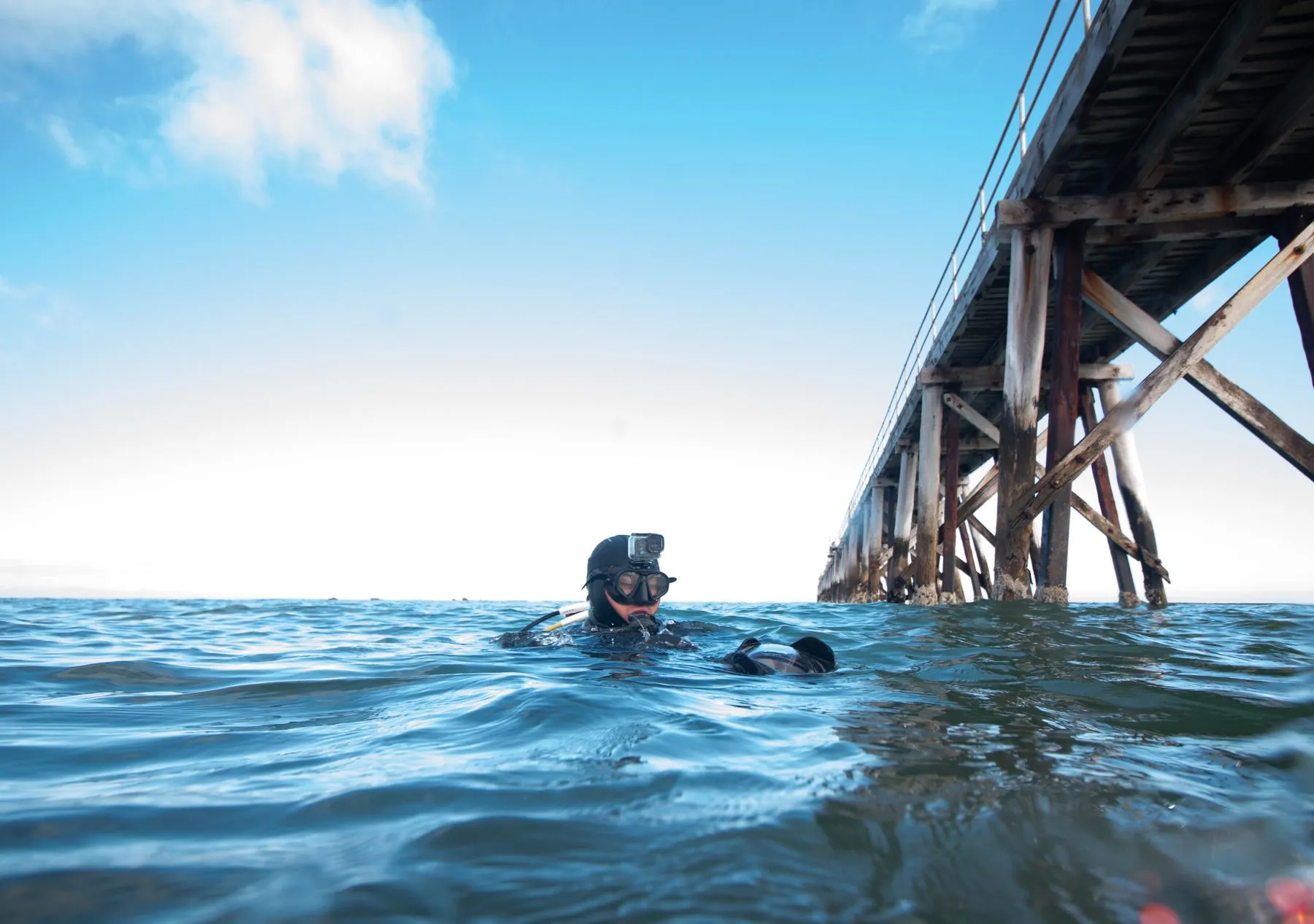
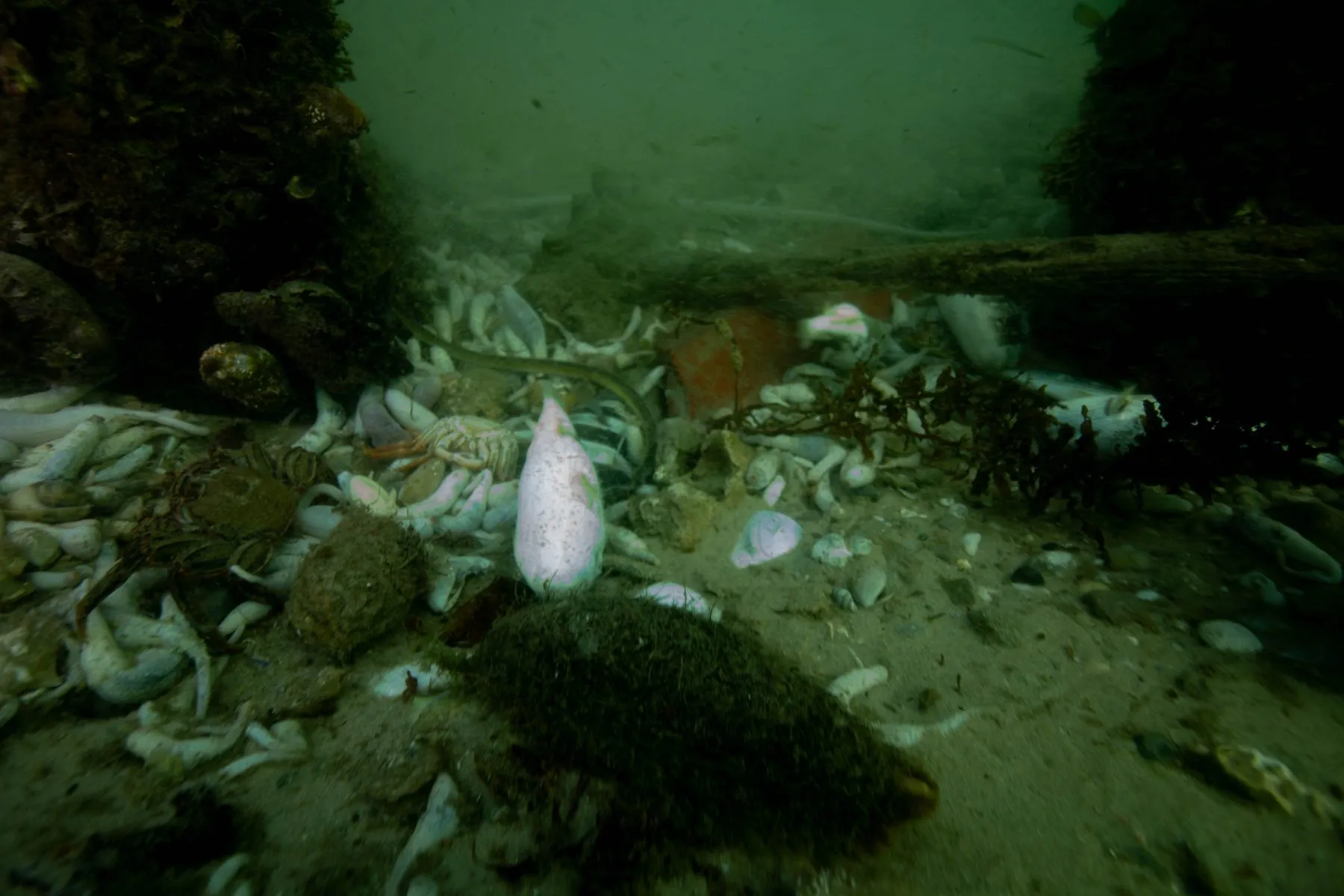
Since early 2025, South Australia has experienced one of its most significant harmful algal bloom events on record. The bloom has affected marine ecosystems across the state, contributing to extensive damage to marine life, threatening wildlife and disrupting coastal activities, tourism and livelihoods.
The event has been associated with unusually warm ocean conditions and changes in nutrient availability. Its impacts have extended beyond the underwater environment, affecting dive operators, coastal businesses and communities whose livelihoods, wellbeing and connection to place depend on a healthy ocean.
For South Australia’s dive community, the bloom has brought the consequences of environmental change into sharp focus. Divers and marine tourism professionals have witnessed these changes firsthand, while navigating uncertainty about their businesses, the places they work and love, and what recovery might look like.
Divers for Climate began working with local divers and dive operators in 2025 to document these experiences, share frontline knowledge and bring the community’s perspectives into research and policy discussions. This ongoing case study follows that work.
Impact at a glance
11
TIMES
that the knowledge, experience, and suggestions of the SA dive industry were officially acknowledged and considered seriously by policy makers.
7 of 14
SENATE COMMITTEE RECOMMENDATIONS ALIGNED
meaning that the SA dive community is actually influencing federal policy changes .
2
National briefings
bringing the national dive community together to share frontline perspectives.
1
Academic study
bringing SA dive community perspectives into the academic and research sector for increased credibility.
“Thank you for everything you are doing, you are the first organisation I see that really works”
— SA dive operator during the algal bloom Senate hearing
Special thanks to
The timeline
From the frontline to national influence.
Select a milestone
MARCH 2025
CompletedCommunity
Listening to South Australia's dive community
DFC began working with South Australian divers and dive operators to understand what the bloom meant for marine environments, businesses and the people whose work and lives are connected to the ocean.
What we did
DFC began working on the South Australian algal bloom in 2025, engaging with local divers and dive operators to understand what the bloom meant for marine environments, businesses and the people whose work and lives are connected to the ocean.
Dive operators and divers were not simply people affected by the bloom. Their observations, experience and local knowledge could also help understand the situation and shape responses.
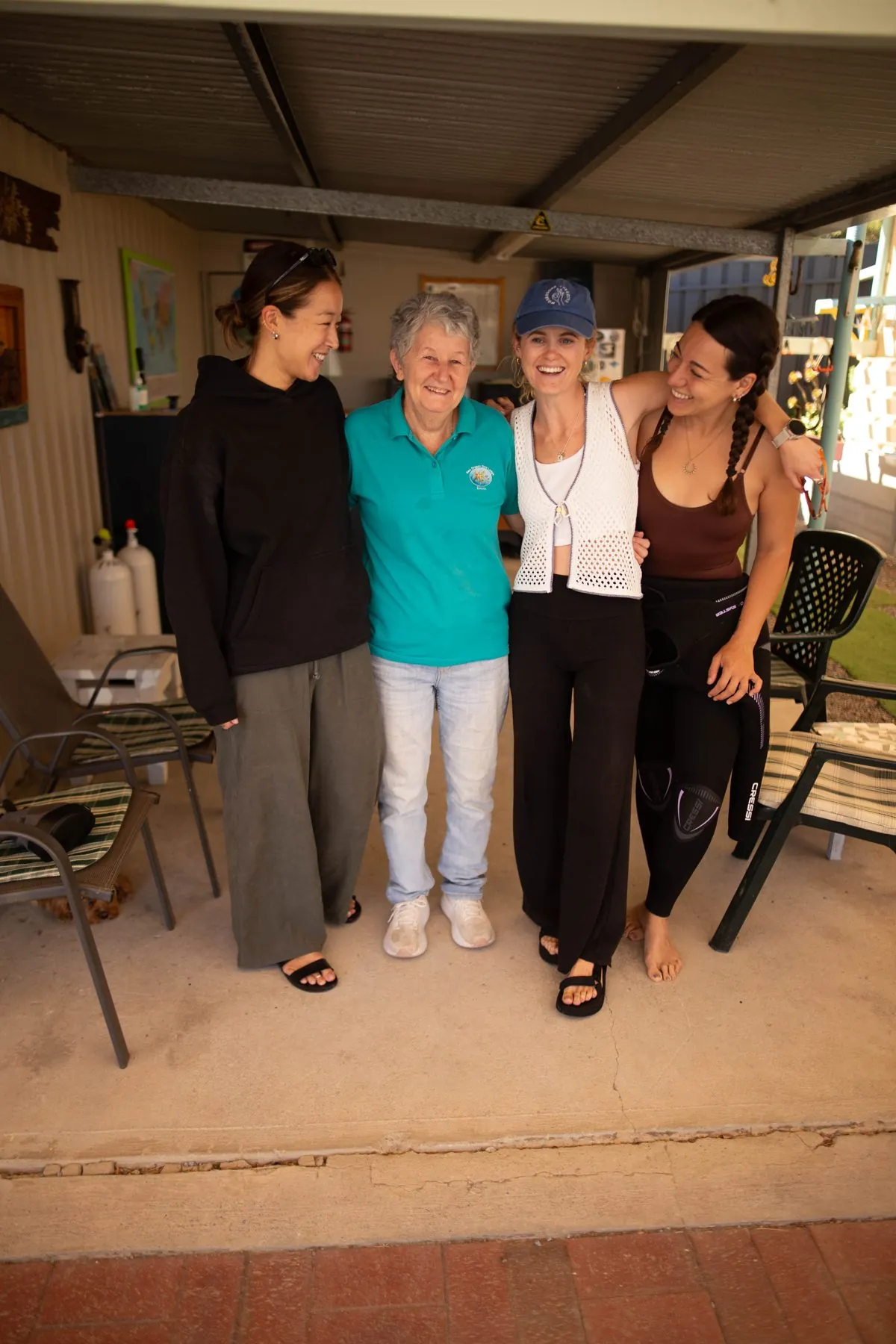
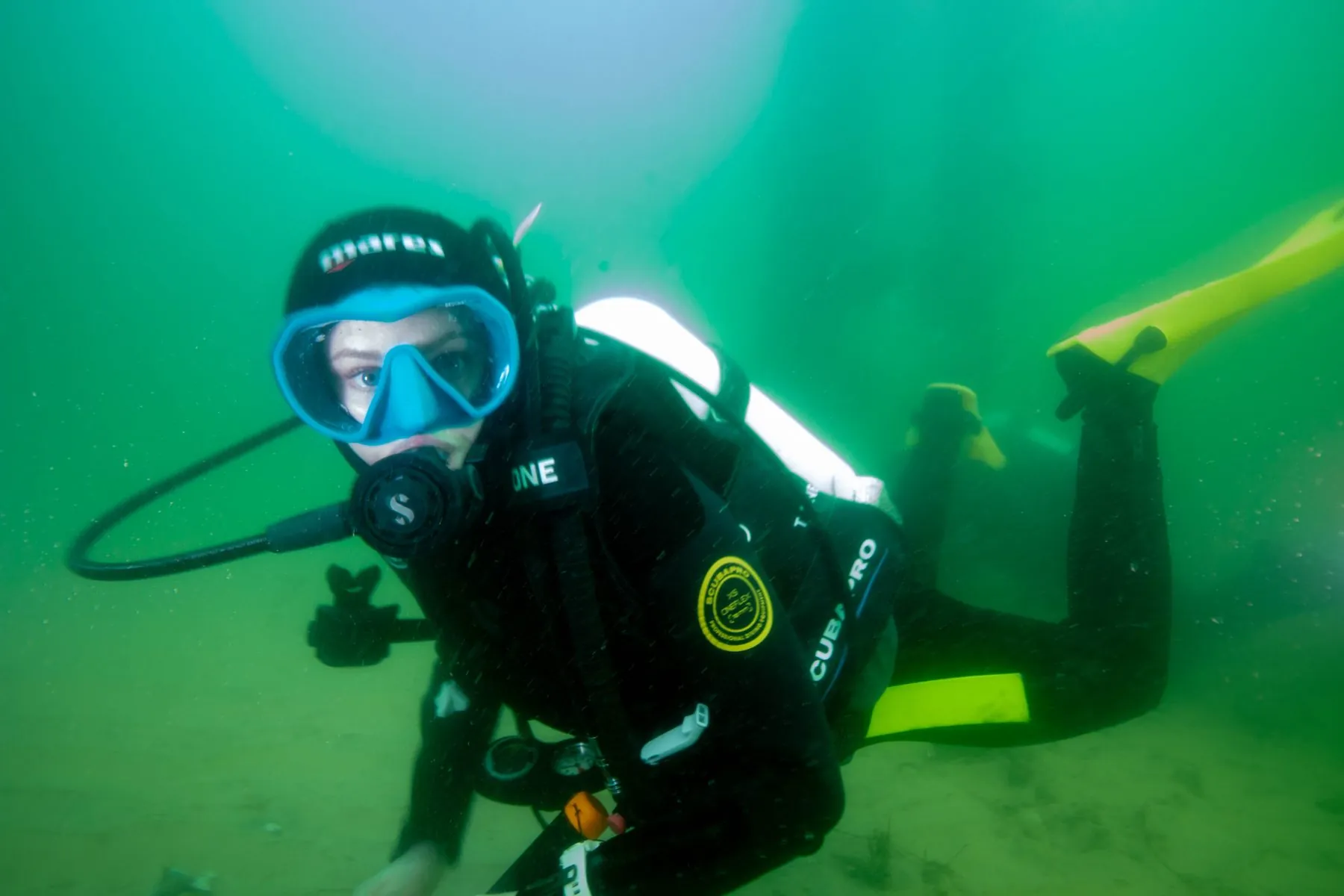
DFC team on the South Australia trip. Photo: Becky EversUnderwater in South Australia, August 2025. Photo: Becky EversSeabed in South Australia, August 2025. Photo: Becky Evers
What it contributed
DFC created a channel for the experiences and knowledge of the dive community to inform a wider understanding of the crisis.
Policy impact
From frontline evidence to national policy
Why DFC's approach is distinctive.
A
Making slow-onset marine disasters visible
DFC highlighted the challenge of applying national disaster frameworks designed around acute, time-limited events to a marine hazard that can persist and have compounding ecological, social and economic impacts.
The committee's report discussed DFC's evidence on this, including the need for clearer arrangements for sustained coordination, funding and recovery.
B
Making the experiences of dive communities count
DFC's evidence drew attention to economic pressures on dive businesses, the difficulties seasonal operators faced when applying for financial support, physical symptoms reported by operators, and the emotional toll of witnessing ecological change.
These dimensions can be overlooked when the focus is limited to ecological impacts or industries more commonly represented in policy discussions.
C
Putting forward practical solutions
DFC recommended opportunities for dive operators to contribute to underwater research and monitoring, clearer and more accessible scientific information, more suitable financial support for seasonal businesses, and stronger mental health and community resilience support.
The report reflected several of these issues. Others were not directly reflected, showing that further advocacy and policy development are needed.
A case study on dive community responses to South Australia’s algal bloom — ecological change, lost income, physical symptoms and wellbeing, with recommendations for government, industry and the dive community.
Manny Katz (Why Dive), Mark Tozer (Rodney Fox Shark Expeditions) and Stefan Andrews (Great Southern Reef Foundation) on what was happening beneath the surface and how the national dive community could respond.
Building Adaptive Capacity to Slow-Onset Marine Disasters: Lessons from the South Australian Harmful Algal Bloom
Details will be shared here when confirmed.
In development
Film about the South Australian algal bloom
Details will be shared here when confirmed.
Donate
Divers For Climate
Divers for Climate is a national Australian non-profit organisation that mobilises divers and marine tourism professionals to drive climate action to protect people and oceans, and empowers the dive community to influence climate policy at a local, national and international level. All donations are tax deductible.